
7 Key Questions to Answer Before Designing Your Logo
Published: Dec 10, 2025Author: Admin
A well-crafted logo is more than just a graphic—it's the visual cornerstone of your brand identity. Before you dive into design, a logo design questionnaire is vital for clarifying your vision. This guide walks founders through seven key questions that help define style and brand direction, ensuring that your AI or designer gets it right the first time.
Want a logo that truly represents your business? Answering these seven questions will set a solid foundation for a successful design process.
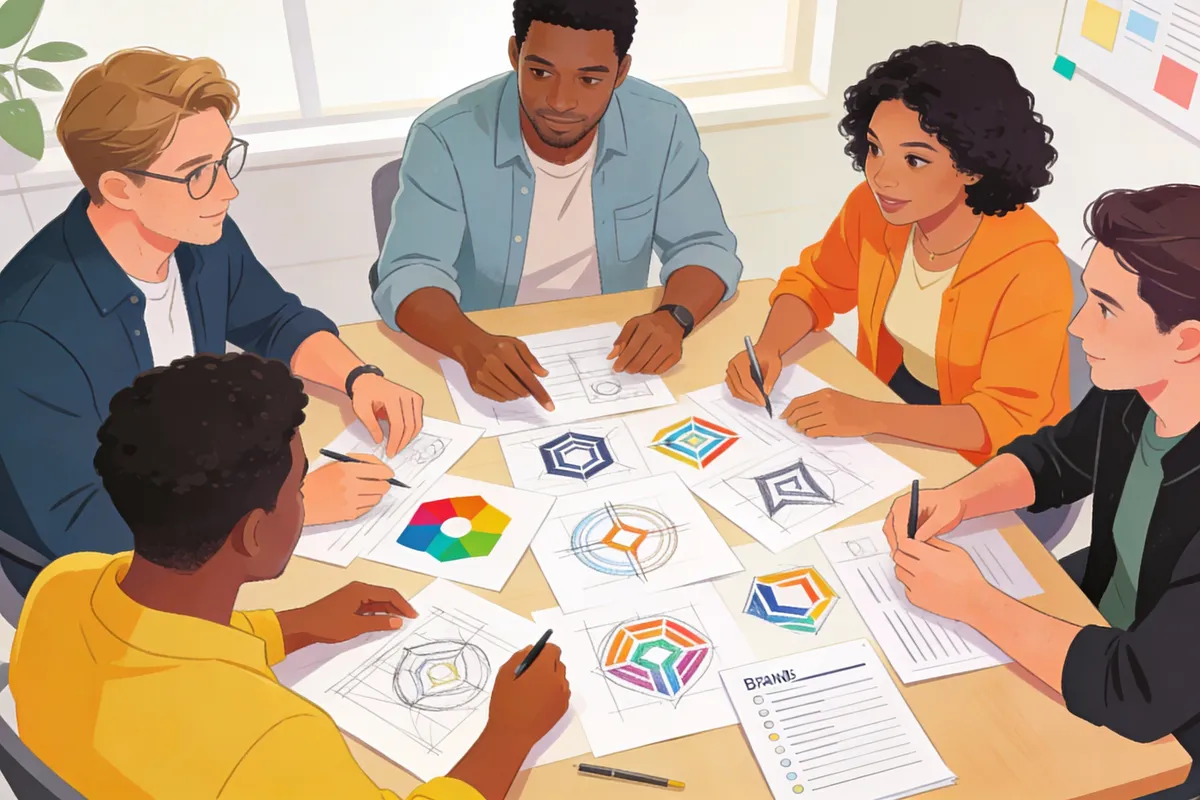
Why Preparation Matters
A logo is often the first thing people notice about your business. It influences how customers perceive your brand and can even affect purchase decisions. According to a study by the Design Management Institute, design-led companies outperform their peers by over 200% on the S&P 500 (https://www.dmi.org/page/DesignValue). This makes thoughtful preparation using a structured logo design questionnaire essential.
The Logo Design Questionnaire Framework
Think of your questionnaire as a blueprint. It helps you:
- Define your brand’s personality and values
- Communicate clear requirements to designers or AI tools
- Reduce revisions and speed up the process
- Achieve a more memorable, impactful logo
1. What Does Your Brand Stand For?
Start with purpose and values. Ask yourself:
- What problem does your business solve?
- Which values guide your company?
- How do you want people to feel when they see your brand?
Example: An eco-friendly cleaning company might want their logo to communicate trust, cleanliness, and sustainability.
Tip: Write down 3–5 adjectives that describe your brand (e.g., innovative, reliable, playful). These will help shape your logo’s style.
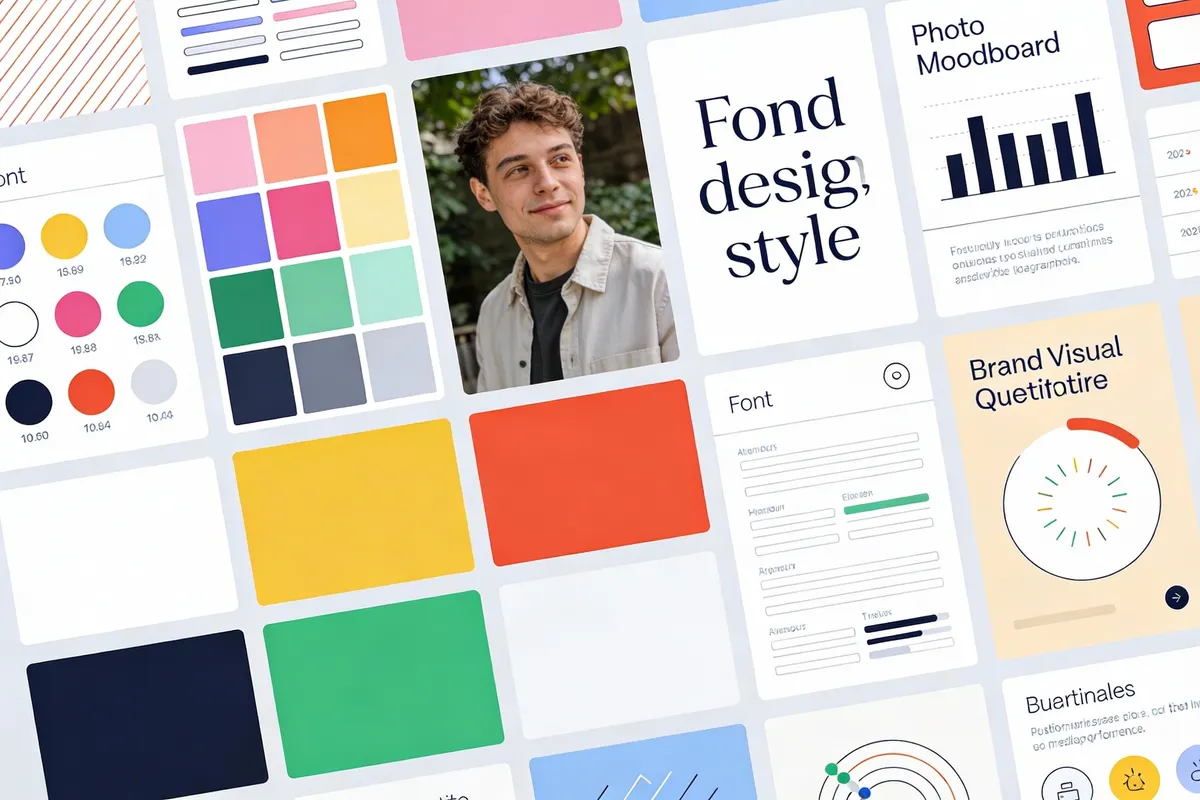
2. Who Is Your Target Audience?
Knowing your audience shapes design choices. Consider:
- Age, gender, and interests of your typical customer
- Their expectations for brands in your industry
- Cultural or regional preferences
Case Example: Children’s toy brands often use bright colors and rounded fonts, while legal firms choose muted tones and traditional typefaces.
Pro advice: Create a simple user persona. For example: “Tech-savvy millennials, ages 25–35, value innovation and simplicity.”
3. What Makes You Different From Competitors?
Distinctiveness is crucial for recognition. Examine:
- Direct competitors’ logos—what colors, layouts, and symbols do they use?
- How can your logo stand out while still fitting your industry?
Mini-case: Two coffee shops: One uses a classic brown-and-green palette with a cup icon; the other stands out with bold, modern typography and a minimalist bean symbol.
Practical step: List 2–3 things that set you apart. Share these in your logo design questionnaire.
4. What Style Fits Your Brand Identity?
Style is where brand personality meets visual language. Decide if you want your logo to be:
- Modern or classic?
- Playful or serious?
- Abstract or literal?
Framework: Use the “Brand Style Spectrum”—plot your position between these opposites. This helps guide choices in color, font, and symbol.
Scenario: A fintech startup might choose a modern, minimal look with geometric shapes, while a heritage bakery leans toward vintage fonts and hand-drawn elements.
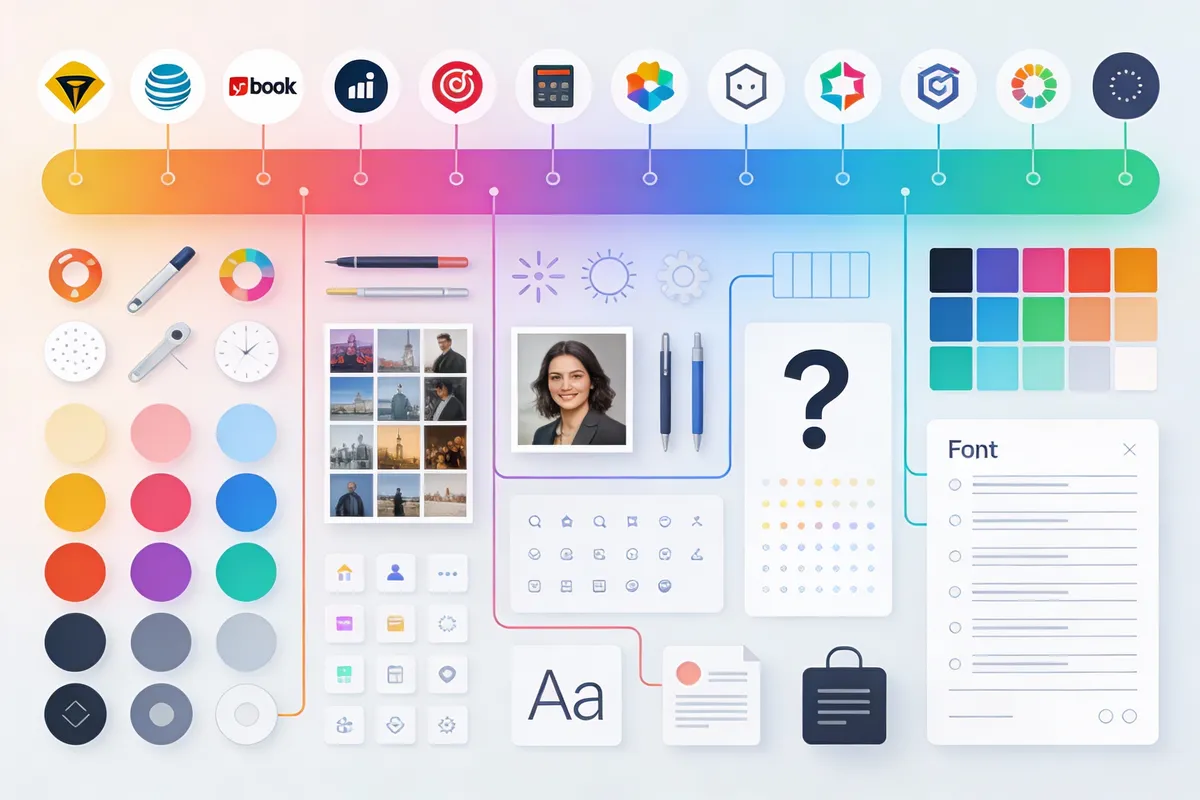
5. What Are Your Preferred Colors and Fonts?
Colors and fonts influence emotions and perception. Ask:
- Which colors represent your brand values? (Blue = trust, Red = energy)
- Are there colors or fonts you want to avoid?
- Do your choices need to align with existing branding?
Actionable Tip: Use online tools like Adobe Color or Coolors to test combinations. Select 1–2 primary colors and 1–2 fonts for guidance.
Evidence: Studies show color increases brand recognition by up to 80% (https://www.tandfonline.com/doi/abs/10.1080/10696679.2006.11501852).
6. What Will Your Logo Be Used For?
Versatility matters. Consider all the ways your logo will appear:
- Website, app, and social media
- Business cards and packaging
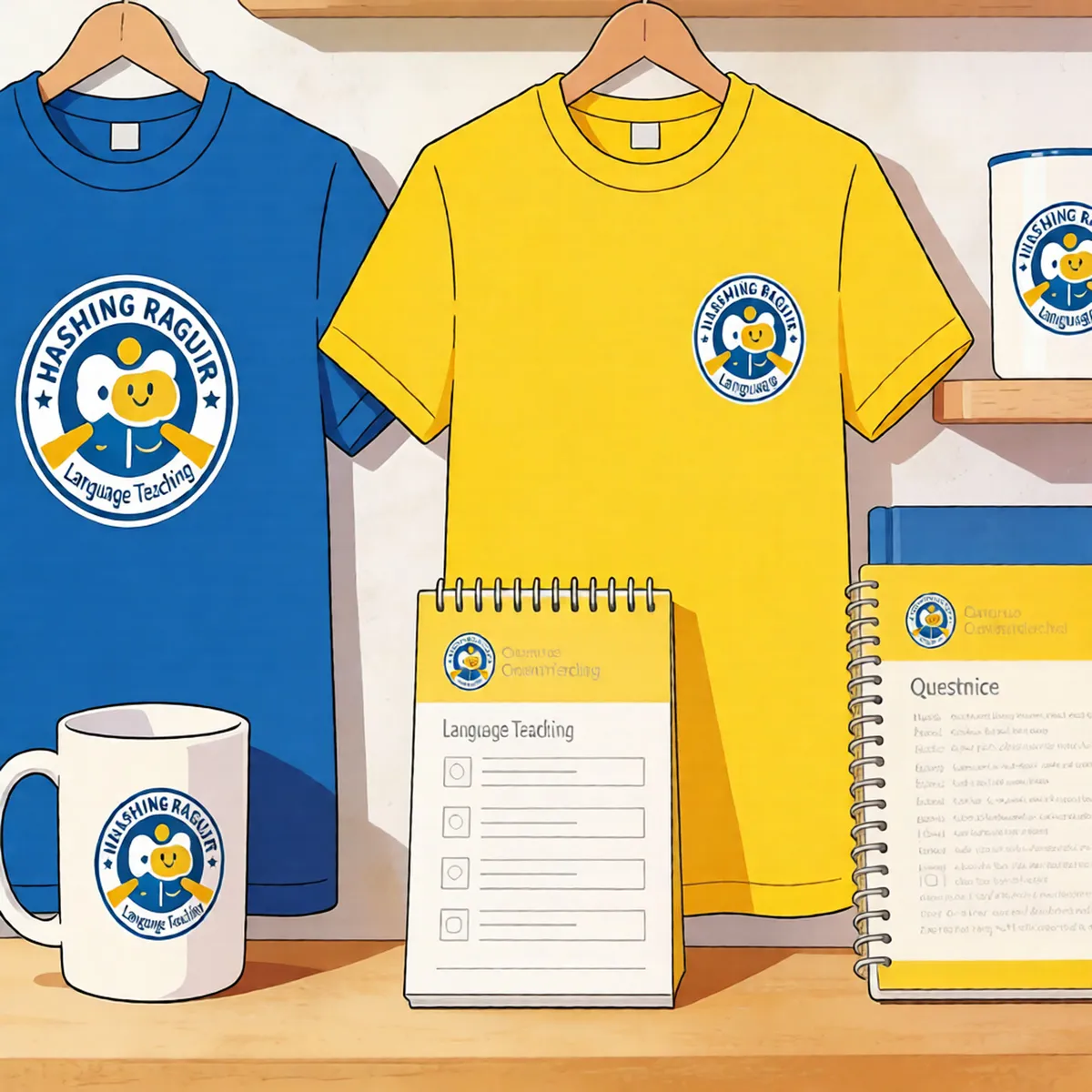
- Merchandise or uniforms
Pro advice: Ask for logo versions in different layouts (horizontal, stacked, icon-only) and file types (SVG, PNG, JPEG).
Visual Reference: Use mockups to preview your logo on real-world items before finalizing.
7. What Message or Feeling Should Your Logo Convey?
A strong logo instantly communicates your brand’s essence. Define:
- The core message—trust, innovation, friendliness, luxury?
- The emotion you want people to feel—confidence, excitement, comfort?
Actionable Example: If you want to convey luxury, opt for elegant fonts, simple layouts, and gold or black color schemes. For energy and fun, try bright colors and dynamic shapes.
Mini-framework: Ask three friends to describe your current logo in one word. If their answers don’t match your intended message, adjust your brief.
Putting It All Together: Streamlined for AI Tools
Answering these logo design questionnaire prompts sets you up for success—whether you’re working with a human designer or an AI platform. AI-powered logo generators rely on clear inputs. The more specific your answers, the better and faster your results.
Proprietary Framework: The “Clarity-First Logo Brief”
- List your brand values (3–5 words)
- Define your audience (persona + needs)
- Describe your uniqueness (2–3 points)
- State preferred style (modern, playful, etc.)
- Choose colors/fonts (primary + avoid list)
- List usage scenarios (all expected applications)
- Define core message (one sentence)
This framework helps founders articulate their vision clearly—leading to professional, relevant results on the first try.
Anecdote: One founder used this approach and cut logo revisions from five rounds to just one, saving both time and budget.
Frequently Asked Questions
What is a logo design questionnaire?
A structured set of questions helping clarify brand identity, style, and needs before starting logo design.
- Guides both designers and AI tools
- Reduces costly revisions
Why are brand identity questions important for logo design?
They ensure your logo reflects your business’s unique values and target audience.
- Shapes style and messaging
- Increases brand recognition
How many logo design questions should I answer?
At least seven key questions, covering brand, audience, style, and usage.
- More detailed answers yield better results
- Helps align expectations
Conclusion
A strong logo starts with clarity. By answering these seven logo design questions, founders lay the groundwork for a brand identity that stands out and communicates effectively. Whether using AI tools or working with a designer, preparation saves time, reduces revisions, and leads to a more professional outcome. Take the time to complete your logo design questionnaire—your brand will thank you.
References
- Design Management Institute. "What is the Design Value Index?" https://www.dmi.org/page/DesignValue
- Singh, S. (2006). "Impact of color on marketing." Management Decision, 44(6), 783-789. https://www.tandfonline.com/doi/abs/10.1080/10696679.2006.11501852