
Understanding Logo Ownership: A Guide for Business Owners
Published: Dec 18, 2025Author: Admin
Who owns your logo after it’s designed? This guide explains the essentials of logo agreement and rights, so you can confidently use and protect your brand. Learn how logo contracts set out ownership, what copyright means for your business, and why choosing the right design package matters.
Snippet: Unsure who controls your new logo? We break down logo ownership, contracts, and copyright so you can secure your brand’s image—no legal jargon required.

Why Logo Ownership Matters
- Your logo is the face of your business. It appears on products, websites, and marketing materials.
- Owning your logo means you decide how and where it’s used.
- Without clear ownership, you may face legal disputes, rebranding costs, or restrictions on using your own logo.
- A logo agreement protects both your investment and your brand identity.
- Understanding logo ownership helps prevent confusion if you switch designers or grow your company.
Case Example:
When a small business purchased a logo online without a clear logo contract, they later discovered the designer reused their logo for another client. This led to brand confusion and legal complications, highlighting why proper agreements matter.
What Is a Logo Agreement?
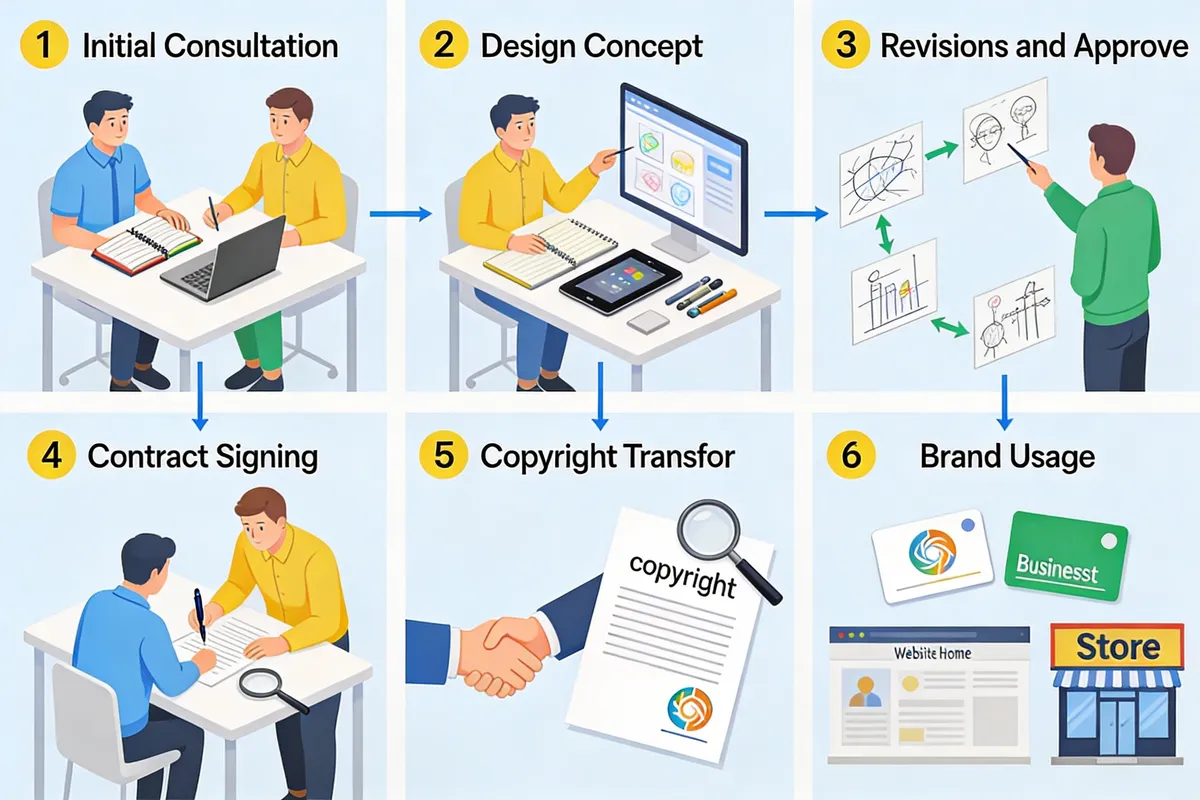
A logo agreement (sometimes called a logo contract) is a written document between you and the designer or design agency. It sets out:
- Who owns the final logo design.
- What rights are transferred to you.
- How and where the logo can be used.
- Payment terms and project scope.
Pro Advice:
Always ask for a written logo contract before work begins. This avoids misunderstandings and ensures you receive full logo ownership.
Key Sections in a Logo Contract
- Ownership Clause: States who owns the logo after payment.
- Copyright Transfer: Explains if and when the designer gives up their copyright.
- Permitted Uses: Details how you can use the logo (online, print, merchandise, etc.).
- Revisions and Deliverables: Lists what you receive, such as logo files and variations.

Copyright and Logo Ownership Explained
What Is Copyright?
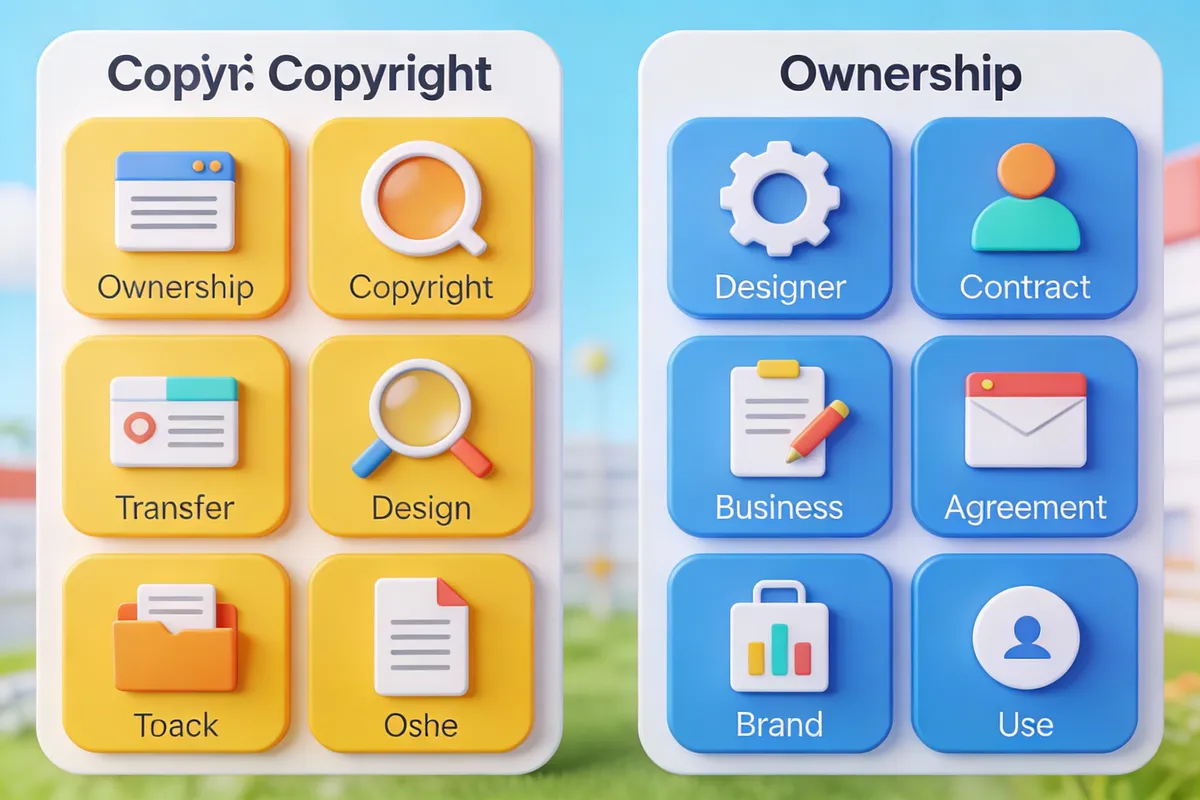
Copyright is a legal right that protects original creative works, including logos. By default, the designer who creates the logo owns the copyright—unless they transfer it to you.
- Copyright owner controls reproduction, sale, and adaptation of the logo.
- Transferring copyright usually requires a written agreement.
How Does Logo Ownership Work?
- If the designer retains copyright, you may only have a license to use the logo.
- With a proper logo agreement, the designer transfers full ownership to you.
- This transfer lets you trademark the logo, modify it, or use it without restrictions.
Tip:
Look for design packages (like ours) that include copyright transfer as standard—so you own the final logo, not the designer.
Common Logo Ownership Scenarios
1. DIY Logo Makers
- Some online tools grant you a license, not full ownership.
- Always review their terms to confirm if you truly own the logo.
2. Freelance Designers
- Ownership depends on the contract.
- Without a clear agreement, the designer may keep copyright and limit your usage.
3. Design Agencies
- Professional agencies typically transfer ownership upon final payment.
- Ask for explicit confirmation in your logo contract.
Mini-Case:
A startup hired a freelancer for a rush logo. Without a contract, they later found the same design on another website. An explicit logo agreement would have prevented this.
What Should Be Included in a Logo Ownership Transfer?
A strong logo contract should cover:
- Scope of Work: Clear description of logo deliverables (file types, variations, mockups).
- Copyright Assignment: Written transfer of rights, usually upon final payment.
- Warranties: Designer assures the work is original and does not infringe others’ rights.
- Permitted Uses: You can freely use, modify, and trademark your logo.
- Designer Credit: Clarifies whether the designer can showcase your logo in their portfolio.
Framework: The CLEAR Logo Ownership Checklist
- Copyright assignment
- List of deliverables
- Explicit permitted uses
- Authenticity warranties
- Rights to modify and trademark
Use this checklist before signing any logo contract.

Our Logo Packages: You Own Your Logo
With our design packages, you get:
- Four unique, AI-crafted logo concepts
- Professional mockups for real-world previews
- All major file formats for print and web
- Branding guidance and style tips
- Shareable links for team feedback
Most importantly:
Once you approve and pay, we transfer full logo ownership and copyright to you. You can trademark, edit, and use your logo however you wish.
Why this matters:
- No hidden restrictions or future fees
- You never have to worry about who owns your logo
- Your brand is protected as your business grows
Practical Tips for Business Owners
- Review every logo contract before work starts.
- Ask for copyright transfer in writing.
- Save all project files and agreements for your records.
- Register your logo as a trademark for extra legal protection (USPTO trademark basics).
- Use your logo consistently across all brand materials for maximum impact.
FAQ: Logo Agreements and Ownership
Who owns my logo after I buy it?
- If your logo contract includes a copyright transfer, you own it fully.
- Without this, the designer may keep rights.
Do I need to trademark my logo?
- Not required, but highly recommended for legal protection.
- Trademarking prevents others from using similar logos.
What if I want to change my logo later?
- Full ownership means you can modify or update it anytime.
- No extra permissions needed from the designer.
Conclusion: Secure Your Brand with the Right Logo Agreement
Owning your logo is essential for brand control and peace of mind. By understanding logo contracts, copyright, and ownership transfer, you protect your business from future disputes. Choose design packages that guarantee logo ownership—so your brand identity is truly yours to build, promote, and grow.